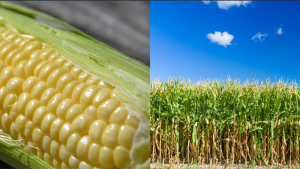
Ecosystems and Biodiversity

Key Points:

  • Warmer and generally wetter conditions coupled with elevated atmospheric CO2 will impact seasonal water availability, and plant phenology and physiological responses.
  • Wildfire, pathogens, and human disturbances will diminish habitat quality in all ecosystems.
  • Adaptation will require a better understanding of plausible ecological responses to climate change and other stressors, and increased flexibility in decision making.
Agriculture

Key Points:

  • Agriculture is an integral component of the economy, history, and culture of the Northern Great Plains. 
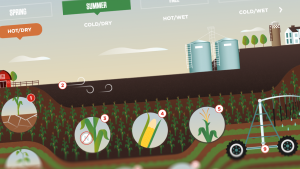
  • Rising temperatures and changes in extreme weather events are having negative impacts on some agricultural systems in parts of the region. 
  • A longer frost-free period could benefit agriculture in some ways; for example, by extending the grazing season or enabling new crop varieties. However, it could also increase pests, weeds, and invasive species.

Water

Key Points:

  • Effective water management is essential for people, crops and livestock, ecosystems, and the energy industry.
  • Small changes in annual precipitation have large effects downstream.
  • Increased climate variability may result in more extreme events.
  • Projections include future changes in precipitation patterns, warmer temperatures, and the potential for more extreme rainfall events.